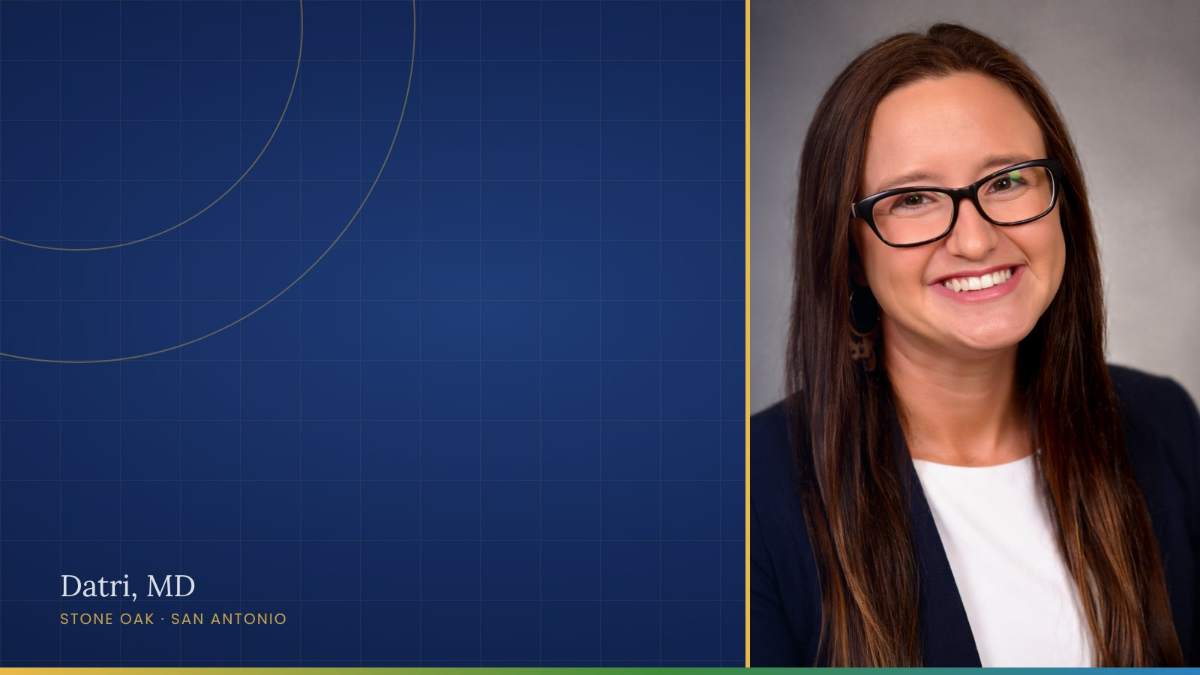
From the team at Datri MD, Stone Oak
"I already pay for insurance. Why would I pay $150 a month for a doctor too?"
It's the most common question we hear, and it's a fair one. For many people, though, direct primary care (DPC) doesn't add to what they spend on health care. It replaces costs they're already paying, often in ways they don't notice until they add them up.
Here's how that works, and when it might not.
With a typical insurance plan, your monthly premium is only the start. Everyday care often comes with more costs on top:
The "free" physical that comes with a bill. Your yearly checkup is usually covered at no cost. But if you bring up a new problem during that visit, like knee pain or a medication question, the office can bill two codes for the same appointment: one for the preventive checkup and one for the problem. The second one can come with a copay or count toward your deductible. Many patients only find out when the bill arrives.
With DPC, there are no billing codes. A checkup that turns into a conversation about your knee costs the same as any other visit: nothing beyond your membership.
None of these show up on your premium statement, but they're real money.
In insurance billing, when a doctor examines a new problem and treats it in the same visit, like evaluating a suspicious spot and then removing it, the office adds a code called "modifier 25" so both services get paid.
That's changing. In July 2026, Medicare proposed paying only half for the exam portion when it happens on the same day as a minor procedure, starting January 1, 2027. Some private insurers, including Blue Cross Blue Shield of Michigan, have adopted or tried similar cuts.
Doctors' groups have warned that this could push offices to schedule a separate visit for the evaluation and another for the treatment. For you, that could mean a second appointment, more time off work, and a second copay. Medicare's final decision is expected later this year.
In a DPC practice, none of this applies. There are no billing codes, so if Dr. Datri can diagnose and treat your problem in one visit, she will.
No copays for primary care visits. Your membership covers your visits with Dr. Datri. Come in three times in a month or not at all — the price stays the same.
Discounted labs and imaging. When you need outside lab work or imaging, we offer discounted cash prices through third-party labs and imaging centers, and you'll know the price upfront.
Fewer urgent care and ER trips. When you can call or text your own doctor, a lot of "should I go in?" moments get answered without a trip. And when you do need to be seen, scheduling is timely and flexible.
Catching problems early. Longer visits leave time to manage blood pressure, blood sugar, and medications before they turn into expensive complications.
More done in one visit. Common tests are included in your membership and done right in the office: ECGs, spirometry (a breathing test), urinalysis, and handheld ultrasound. Dr. Datri also offers certain injections in the office, and point-of-care A1c testing for diabetes is coming by the end of the year. That means fewer trips to a lab or another office, and faster answers.
Less time lost. Shorter waits and fewer return trips mean fewer hours away from work and family.
DPC isn't insurance, and you should still have coverage for hospital stays, surgery, and emergencies. But once your everyday care is covered by your membership, some people find they no longer need a plan built around frequent office visits.
That can open the door to a plan with a lower monthly premium, such as a high-deductible plan. The money you save on premiums can help cover your membership.
New in 2026: HSA-friendly DPC. Under a new federal law that took effect January 1, 2026:
At $150/month, a Datri MD membership fits right at the individual limit. Check with your HSA administrator or a tax professional before you switch plans.
Everyone's costs are different, so the best way to know is to add up your own. A Datri MD membership is $150/month, or $1,800 a year for one adult.
Now look back at the last 12 months and total what you spent on everyday care:
Then ask one more question: could a lower-premium plan cover your big risks if your everyday care were handled by DPC? Compare that premium difference too.
If your everyday costs plus the premium savings come close to $1,800, DPC may cost you little or nothing extra — and you get far more time with your doctor.
We'd rather you choose us for the right reasons. DPC may not lower your costs if:
In those cases, DPC can still be worth it for the time, access, and relationship, but it's a choice about care, not savings.
The best way to find out is to meet Dr. Datri. Our free 15-minute meet & greet is a relaxed conversation about your health, your goals, and how DPC works, with no pressure to join.
Call or text for your free meet & greet: (210) 943-9578 · DatriMD.com
540 Madison Oak Dr, Ste 370 · San Antonio, TX 78258
Your doctor. Your time. Your care.
This post is for general information and isn't financial, tax, or insurance advice. Please talk with a licensed insurance agent or tax professional about your own situation.
Ready for a different kind of care?
Join Datri, MD for personalized, unhurried medicine focused on you—not insurance.
Tap Sign up to start enrollment, or call/text (210) 943-9578 to book your free 15-minute meet & greet first.
Here's what people usually ask before they call:
Why $150 a month instead of a copay? You see the same physician every time: Dr. Datri, a board-certified internist. Visits are longer, you can call or text her directly, and in-office ultrasound, ECG, spirometry, and urinalysis are included.
Money is tight. Can I make this work? Many members pair membership with a lower-cost or high-deductible plan, and HSA funds can often pay the fee. Call us and we'll talk through your situation honestly, even if that means telling you it's not the right fit.
Do I still need insurance? Yes. Keep it for hospital stays, specialists, and emergencies. We handle your everyday care.
Can I reach Dr. Datri after hours? Yes. Call or text her directly, and she'll get back to you as soon as she can. For emergencies, call 911.
Is this right for me? Read Is Direct Primary Care Right for You? 10 Questions, Answered, or just call and ask.
"She manages my complex health conditions and still listens to my health concerns that are less pressing. She is always kind and compassionate." — V.D.
"Made me feel heard, respected, and supported... she never makes me feel rushed." — N.L.
"I've never had a doctor who is so dedicated to her patients." — J.C.
Rated 5 stars on Google. Read more from our patients.
Call or text (210) 943-9578. We'll answer your questions and set up a free 15-minute meet & greet.
No cost, no commitment. If it feels like a fit, you can sign up. If not, no hard feelings.
540 Madison Oak Dr
Ste 370
San Antonio, TX 78258